%2Ffit-in%2F250x250%2Fguide_websites%2F56312%2Fimages%2F1761901314160snapins-ai_3354798901791971030.jpg&w=1920&q=100)
/users/598830e2-ca60-4842-b134-174b978e5b14/ratecard/snapins-ai_3593329945289911731-mhekvt0c.jpg)
%2F300x300%2Fusers%2F598830e2-ca60-4842-b134-174b978e5b14%2Fratecard%2Fsnapins-ai_3593329945289911731-mhekvt0c.jpg&w=256&q=75)
%2F300x300%2Fusers%2F598830e2-ca60-4842-b134-174b978e5b14%2Fimages%2Fcobia-fishing-tour-homestead-3323.jpg&w=256&q=75)
%2F300x300%2Fusers%2F598830e2-ca60-4842-b134-174b978e5b14%2Fimages%2Ffantastic-fishing-florida-3151.jpg&w=256&q=75)
%2F300x300%2Fusers%2F598830e2-ca60-4842-b134-174b978e5b14%2Fimages%2Fcobia-catch-florida-2538.jpg&w=256&q=75)
%2F300x300%2Fusers%2F598830e2-ca60-4842-b134-174b978e5b14%2Fimages%2Ffishing-tours-homestead-2498.jpg&w=256&q=75)
%2F300x300%2Fusers%2F598830e2-ca60-4842-b134-174b978e5b14%2Fimages%2Fhomestead-redfish-catch-2532.jpg&w=256&q=75)
%2F300x300%2Fusers%2F598830e2-ca60-4842-b134-174b978e5b14%2Fimages%2Fgreat-fishing-trip-homestead-2454.jpg&w=256&q=75)
%2F300x300%2Fusers%2F598830e2-ca60-4842-b134-174b978e5b14%2Fimages%2Ffishing-adventure-homestead-2467.jpg&w=256&q=75)
%2F300x300%2Fusers%2F598830e2-ca60-4842-b134-174b978e5b14%2Fimages%2Fspotted-weakfish-fl-fishing-2430.jpg&w=256&q=75)
%2F300x300%2Fusers%2F598830e2-ca60-4842-b134-174b978e5b14%2Fimages%2Fredfish-catch-homestead-2552.jpg&w=256&q=75)
%2F300x300%2Fusers%2F598830e2-ca60-4842-b134-174b978e5b14%2Fimages%2Ffishing-expedition-homestead-2592.jpg&w=256&q=75)
Best 8hr Flamingo Everglades Fishing Adventure
 Homestead, FL
What you will be catching:
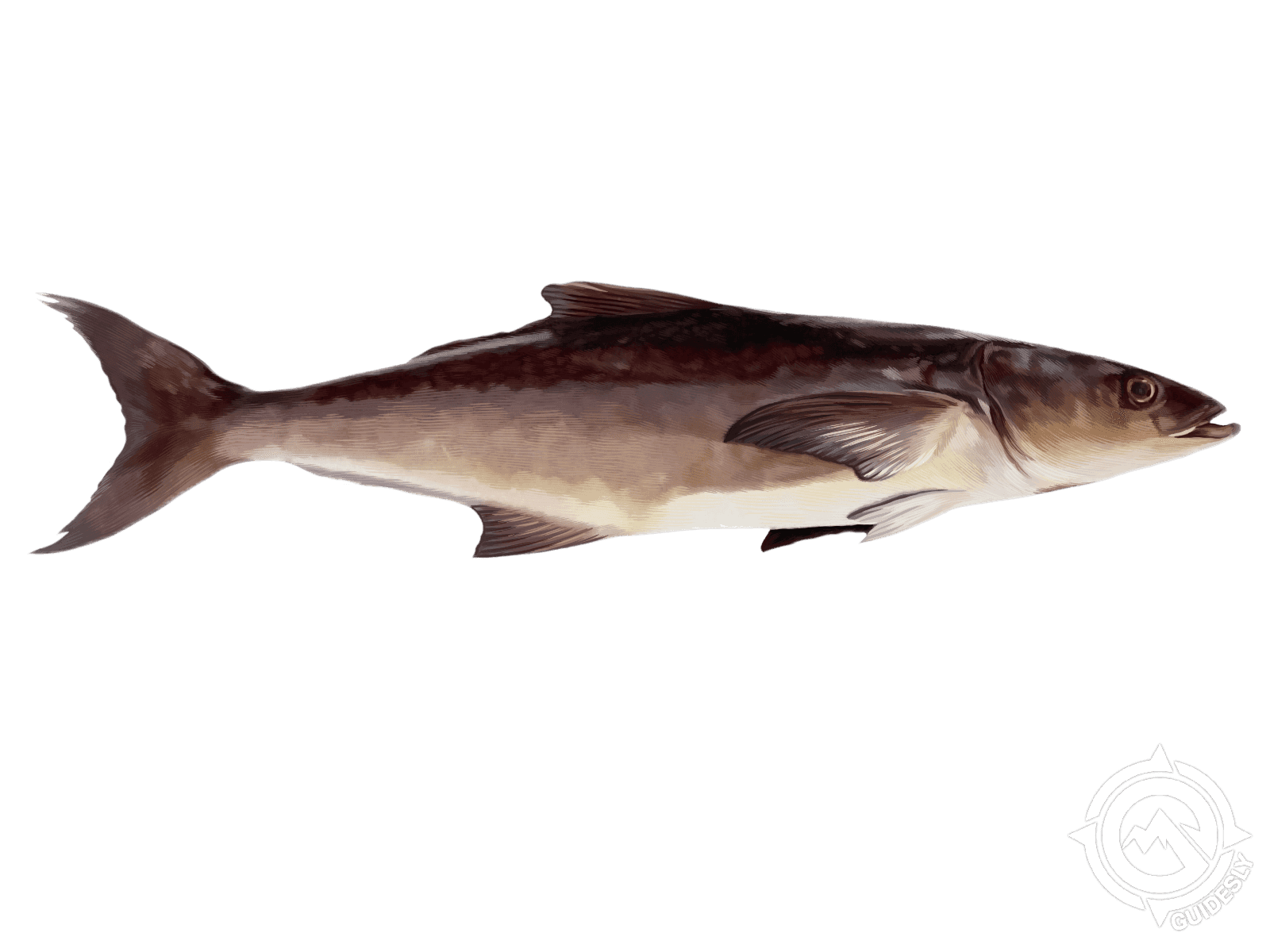
 Cobia
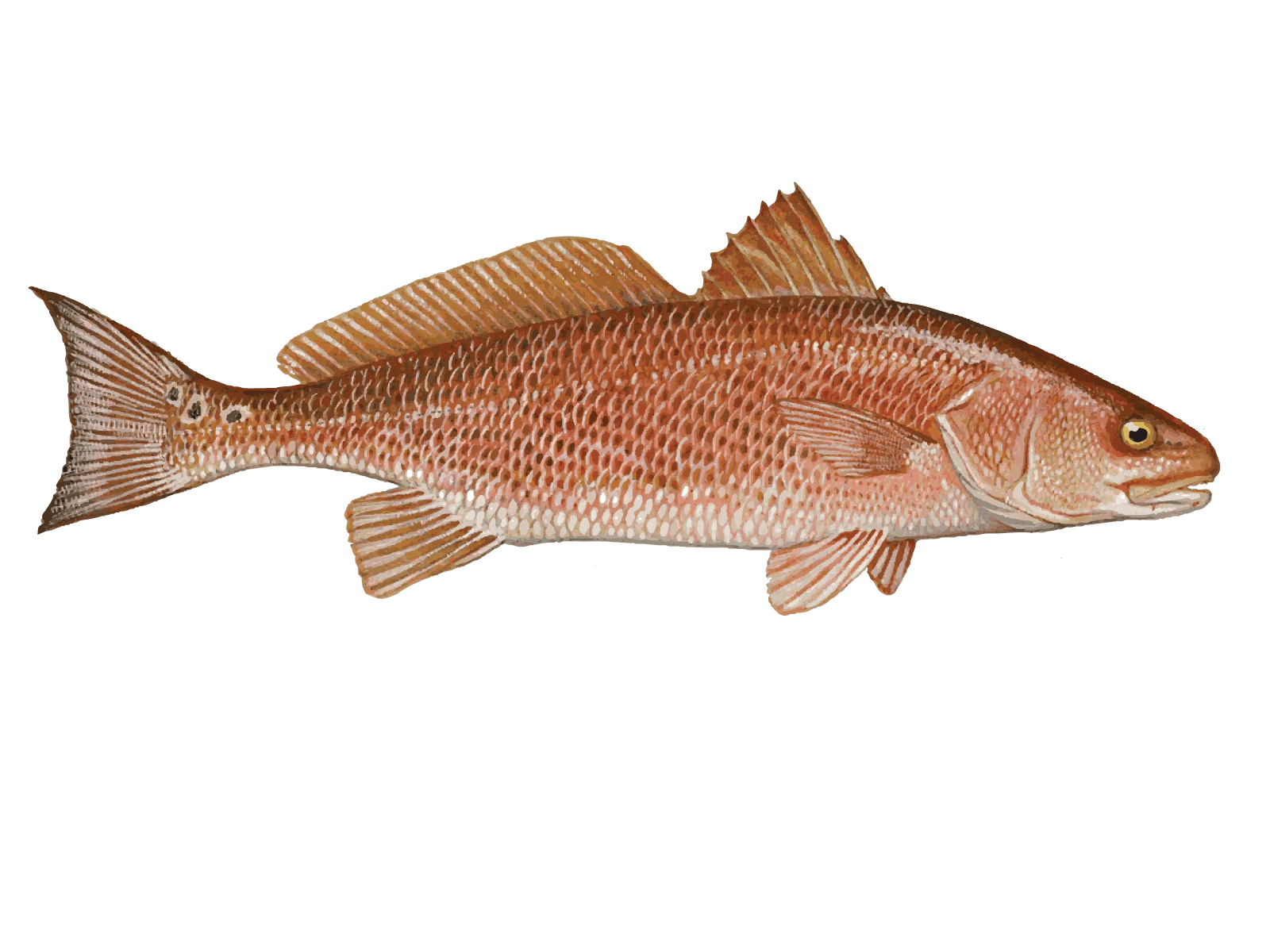
Cobia Redfish
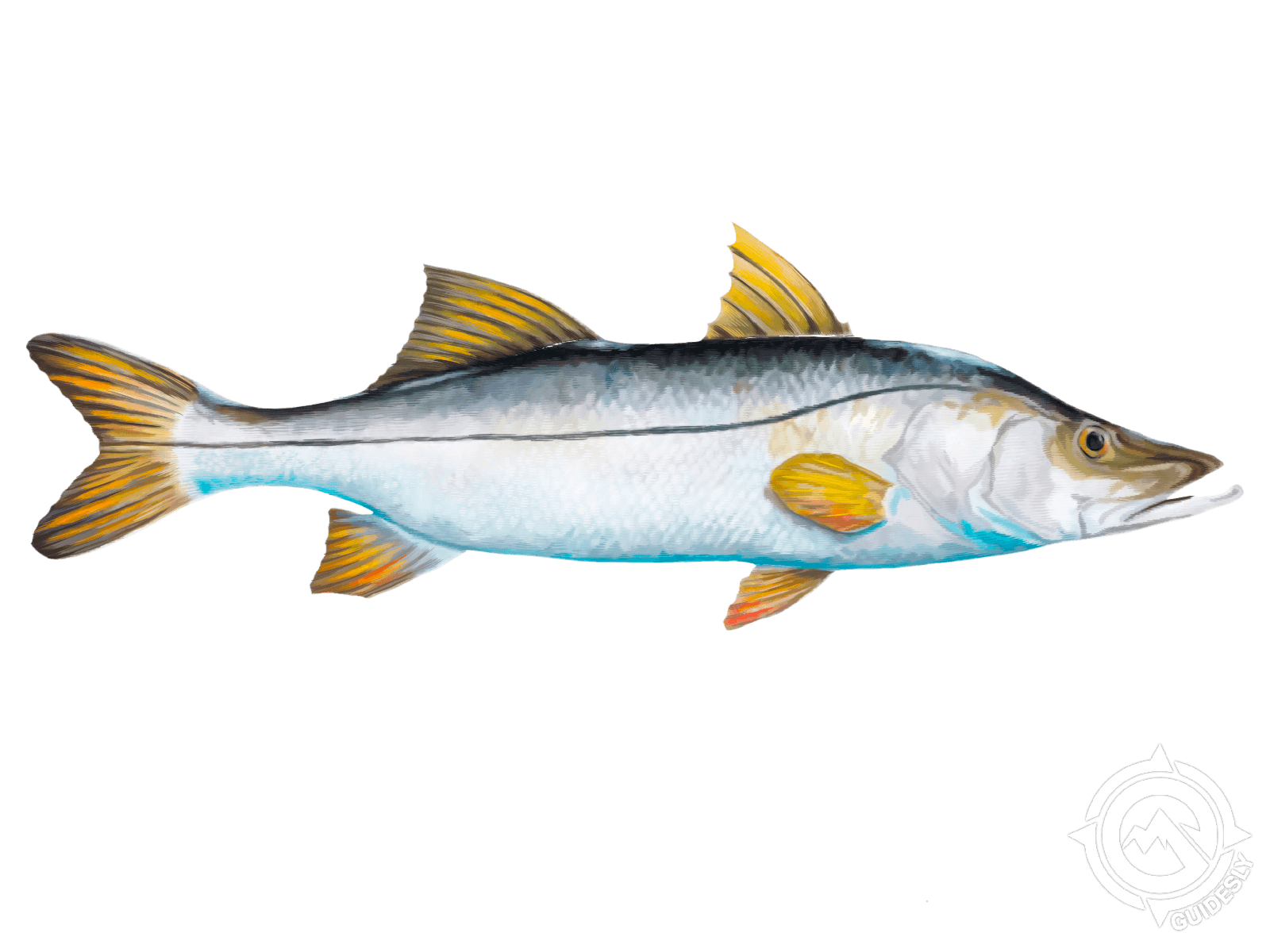
 Snook
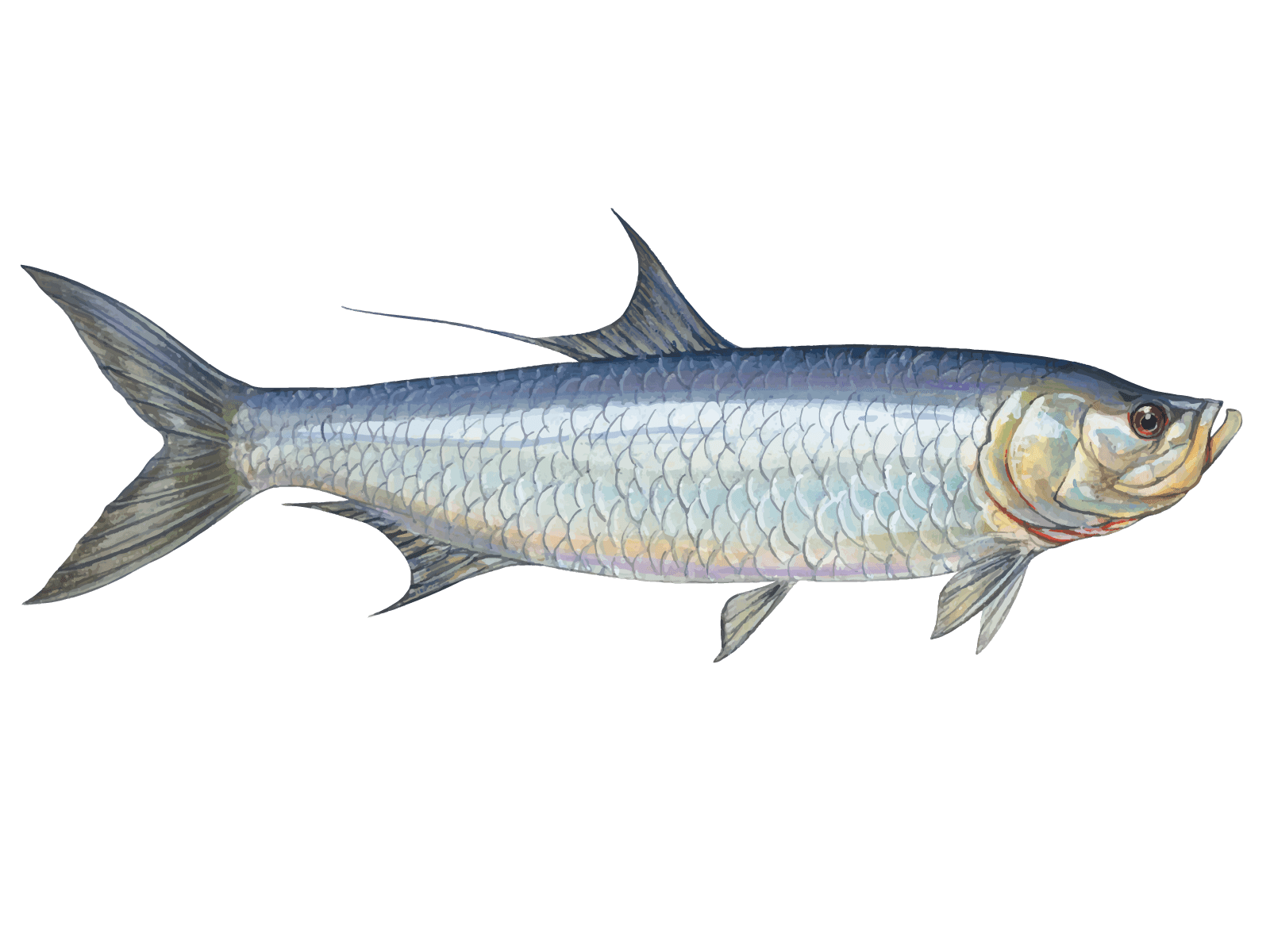
Snook Tarpon
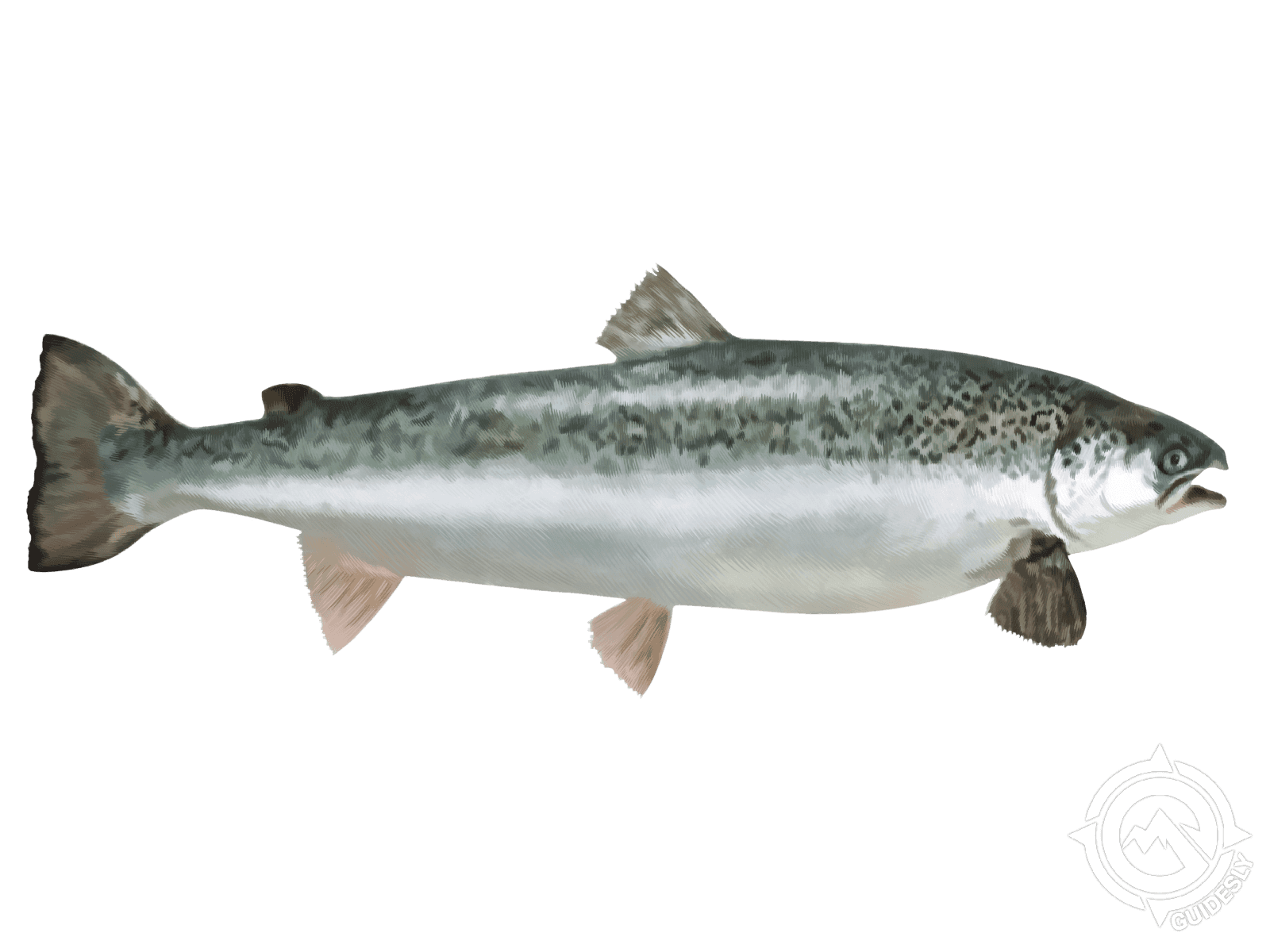
 Sea Trout
- This full-day fishing charter takes you deep into the Flamingo Everglades backcountry, where you'll target snook, redfish, tarpon, and seatrout in some of Florida's most productive waters. You'll fish from a shallow-draft Maverick skiff that can navigate tight mangrove creeks and open flats, giving you access to prime feeding areas that bigger boats can't reach. The 8-hour timeframe lets you follow the tides and really work the water properly. Your captain provides all the gear, licenses, and local knowledge you need. Whether you're sight-casting to cruising redfish or working structure for snook, this private trip gives you plenty of time to learn the water and improve your technique in one of the state's best fisheries.
Trip Pricing and Availabilities:
8hr Flamingo Everglades Fishing Charter
Picture this: you're standing on the bow of a sleek 17' Maverick skiff, scanning the crystal-clear flats while your guide poles silently through the backcountry. The Flamingo Everglades National Park stretches endlessly around you, and somewhere in those mangrove creeks and grass beds, monster snook and redfish are cruising for their next meal. This 8-hour private charter with Lifeline Charters puts you right in the heart of one of Florida's most legendary fishing destinations, with enough time to really work the water and hit those honey holes that only locals know about.
What to Expect on the Water
This isn't your typical half-day rush job where you're checking your watch every hour. With a full 8 hours, you and one fishing buddy get the VIP treatment on this top-rated charter. We're talking about serious time to explore the maze of mangrove tunnels, pristine flats, and tidal creeks that make Flamingo such a world-class fishery. Your captain knows these waters like the back of their hand – they'll read the tides, wind, and conditions to put you on fish all day long. The beauty of going private means you set the pace. Want to spend extra time sight-fishing that school of reds you just spotted? No problem. Feel like switching up techniques when the bite slows down? Your guide's got you covered. Every trip includes all your tackle, valid fishing licenses, plus a cooler stocked with ice and water to keep you hydrated under the Florida sun.
Shallow Water Sight Fishing
The Maverick skiff is your ticket to places bigger boats can only dream about reaching. Drawing just inches of water and powered by a reliable Yamaha 70hp, this rig lets you slip into skinny water where fish feel safe and feed heavily. Your guide will pole the boat silently through turtle grass beds and oyster bars, positioning you for those heart-stopping sight-casting opportunities. When you spot a 30-inch redfish tailing in two feet of water, you'll understand why anglers travel from around the world to fish these flats. The setup includes both spinning and fly gear, so whether you're comfortable with a 7-weight or prefer throwing artificials on conventional tackle, you're covered. Live bait fishing around structure works magic here too – nothing beats a perfectly presented shrimp or pinfish when snook are stacked up under the mangroves.
Species You'll Want to Hook
Snook are the crown jewel of Flamingo fishing, and for good reason. These ambush predators love the brackish water mixing zones where fresh Everglades water meets the salt. They'll blow up on topwater plugs at dawn and dusk, creating explosive strikes that'll have your heart racing. Fall through spring offers the best snook action, when cooler water pulls them into the backcountry creeks. What makes them special isn't just their aggressive nature – it's the challenge. Snook are notorious for their gill-rattling jumps and their habit of diving straight for the nearest mangrove root ball.
Tarpon turn the Everglades into an adrenaline playground from spring through fall. Even the "baby" tarpon here run 20 to 60 pounds, and when one explodes on your bait and starts cartwheeling across the surface, you'll know why they're called the silver king. These prehistoric fighters test every ounce of your tackle and technique. The shallow flats around Flamingo are perfect tarpon nurseries, and on the right day, you might hook a dozen or more. Just remember – tarpon are catch-and-release only, but the photos and memories last forever.
Redfish are the bread and butter of Everglades fishing, and Flamingo serves up some absolute bruisers. These copper-colored bulldogs cruise the flats year-round, often in schools that'll make your jaw drop. Summer brings the best redfishing, when they're active in the shallows and easier to spot. What makes reds so popular isn't just their willingness to eat – it's their tenacious fight. A 25-inch red will peel drag and make multiple runs, testing your skills and your equipment. Plus, they're excellent table fare if you decide to keep a few within the slot limit.
Sea trout might not get the glory of tarpon or snook, but they're customer favorites for good reason. These spotted beauties are abundant throughout Flamingo's grass beds and provide consistent action when other species are finicky. Spring and fall are prime time for big gator trout, with fish over 20 inches common in the deeper potholes. They're suckers for live shrimp under a popping cork, and their soft mouth means you need to keep steady pressure during the fight. Trout also make fantastic table fare, so you can take home dinner along with your fishing stories.
Cobia are the wild cards of Flamingo fishing – you never know when one of these chocolate-colored fighters will show up and make your day. Spring migration brings the best cobia opportunities, when they cruise the flats looking for stingrays to follow. These fish are pure muscle, often running 20 to 40 pounds, and they'll test every knot and connection on your tackle. Sight-fishing for cobia is addictive – watching one peel off a ray and charge your bait gets your blood pumping every single time.
Time to Book Your Spot
The Flamingo Everglades National Park isn't just another fishing spot – it's a living, breathing ecosystem that changes with every tide and season. This 8-hour charter gives you the time to really experience what makes this place so special. Whether you're an experienced angler looking to check Everglades species off your bucket list or someone wanting to learn advanced techniques from a seasoned guide, this trip delivers. The Maverick skiff puts you
Learn more about the species
Cobia
Cobia are the brown sharks that aren't sharks - these dark, torpedo-shaped fish average 30-40 pounds but can push 60+ pounds in our waters. You'll spot them cruising just under the surface around structure like channel markers, docks, and wrecks, usually in 15-40 feet of water. Spring migration from March through May gives you the best shot, when they're moving through on their way north. They're sight fishing at its finest - you actually watch the fish before you cast. Anglers love them because they're curious fish that will often approach the boat, they fight like bulldogs, and they're some of the best eating fish in the ocean with firm, white meat like mahi. When you see one, cast a bucktail jig or live crab well ahead of its path and work it slowly - cobia are smart and will inspect your bait before committing.
Redfish
Redfish are the bread and butter of Everglades fishing - these copper-colored bruisers with their signature black spots near the tail are perfect for sight fishing in shallow water. Most run 20-28 inches and 5-8 pounds, but you'll occasionally find a real bull pushing 35+ inches. They love super shallow flats, oyster bars, and mangrove shorelines, often in water so thin their backs stick out. Fall and spring offer the best action when they're actively feeding, but they bite year-round. What makes them special is you can actually see them cruising the flats and make precise casts - it's like hunting with a fishing rod. They fight hard with bulldogging runs and make great table fare. Here's the key: when you spot a red, cast well ahead of where it's swimming and work your lure slowly back - they spook easily in skinny water.
Snook
Snook are one of the most sought-after fish in these Everglades waters, and for good reason. These sleek, golden fish with that distinctive black lateral line typically run 18-28 inches, though you'll occasionally hook into a real trophy pushing 30+ inches. They love hanging around mangrove edges, docks, and creek mouths where they ambush baitfish. Spring through fall gives you the best action, especially around the new and full moons when they're most active. What makes snook so popular is their aggressive strike and strong fight - they'll jump and make powerful runs toward cover. Plus, they're excellent table fare with firm, white meat. My tip: work your lure slowly along the mangrove line and be ready to set the hook hard when they hit, because they'll try to cut you off in the roots.
Tarpon
Tarpon are the ultimate bucket-list fish - these silver giants can reach 6-7 feet and weigh over 100 pounds, though most we see run 60-80 pounds. They're famous for their aerial acrobatics when hooked, jumping completely out of the water multiple times. You'll find them rolling in deeper channels, around bridges, and along the edges of flats, especially during their spring and summer migration from May through September. What draws anglers is pure adrenaline - the sight of a 100-pound tarpon going airborne is something you never forget. They're catch-and-release only due to their slow growth and conservation status. Best fishing happens on moving tides, particularly around dawn and dusk. Pro tip: bow to the fish when it jumps to give slack line, or that next leap will likely throw your hook.
Sea Trout
Seatrout, or speckled trout as locals call them, are one of the most consistent fish you'll catch in these waters. They average 12-18 inches with those distinctive black spots covering their silver sides. You'll find them over grass flats in 2-6 feet of water, especially where there's some current flow. They're most active during cooler months from October through March, and bite best during low-light periods at dawn and dusk. Anglers love them because they're aggressive biters, put up a decent fight, and make excellent eating with their flaky white meat. They school up in winter, so when you find one, there's usually more around. My go-to technique is drifting live shrimp under a popping cork over the grass beds - the cork creates noise that draws them in, and that popping sound usually triggers a strike.
About the Lifeline Charters
%2F%2Fusers%2F598830e2-ca60-4842-b134-174b978e5b14%2Fvehicle_picture%2Fboatimage-mhejxm6z.jpg&w=1920&q=75)
Vehicle Guest Capacity: 2
Manufacturer Name: Yamaha
Maximum Cruising Speed: 70
Number of Engines: 1
Horsepower per Engine: 250