%2Ffit-in%2F250x250%2Fguide_websites%2F56312%2Fimages%2F1761901314160snapins-ai_3354798901791971030.jpg&w=1920&q=100)
/users/598830e2-ca60-4842-b134-174b978e5b14/ratecard/snapins-ai_3434009052500158528-mhel0ds3.jpg)
%2F300x300%2Fusers%2F598830e2-ca60-4842-b134-174b978e5b14%2Fratecard%2Fsnapins-ai_3434009052500158528-mhel0ds3.jpg&w=256&q=75)
%2F300x300%2Fusers%2F598830e2-ca60-4842-b134-174b978e5b14%2Fimages%2Fcobia-fishing-tour-homestead-3323.jpg&w=256&q=75)
%2F300x300%2Fusers%2F598830e2-ca60-4842-b134-174b978e5b14%2Fimages%2Ffantastic-fishing-florida-3151.jpg&w=256&q=75)
%2F300x300%2Fusers%2F598830e2-ca60-4842-b134-174b978e5b14%2Fimages%2Fcobia-catch-florida-2538.jpg&w=256&q=75)
%2F300x300%2Fusers%2F598830e2-ca60-4842-b134-174b978e5b14%2Fimages%2Ffishing-tours-homestead-2498.jpg&w=256&q=75)
%2F300x300%2Fusers%2F598830e2-ca60-4842-b134-174b978e5b14%2Fimages%2Fhomestead-redfish-catch-2532.jpg&w=256&q=75)
%2F300x300%2Fusers%2F598830e2-ca60-4842-b134-174b978e5b14%2Fimages%2Fgreat-fishing-trip-homestead-2454.jpg&w=256&q=75)
%2F300x300%2Fusers%2F598830e2-ca60-4842-b134-174b978e5b14%2Fimages%2Ffishing-adventure-homestead-2467.jpg&w=256&q=75)
%2F300x300%2Fusers%2F598830e2-ca60-4842-b134-174b978e5b14%2Fimages%2Fspotted-weakfish-fl-fishing-2430.jpg&w=256&q=75)
%2F300x300%2Fusers%2F598830e2-ca60-4842-b134-174b978e5b14%2Fimages%2Fredfish-catch-homestead-2552.jpg&w=256&q=75)
%2F300x300%2Fusers%2F598830e2-ca60-4842-b134-174b978e5b14%2Fimages%2Ffishing-expedition-homestead-2592.jpg&w=256&q=75)
Top-Rated Flamingo Everglades Fishing Charter
 Homestead, FL
What you will be catching:
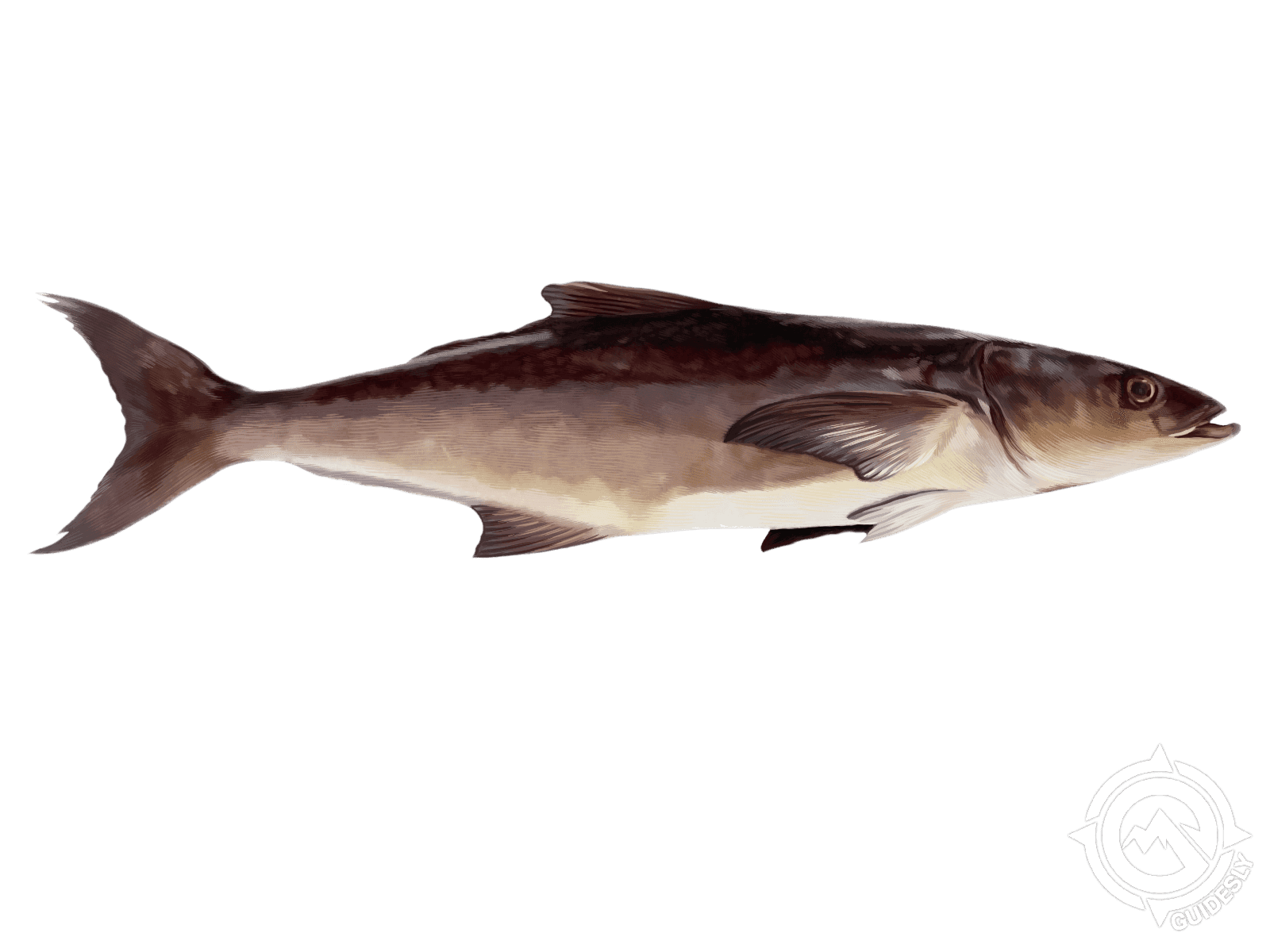
 Cobia
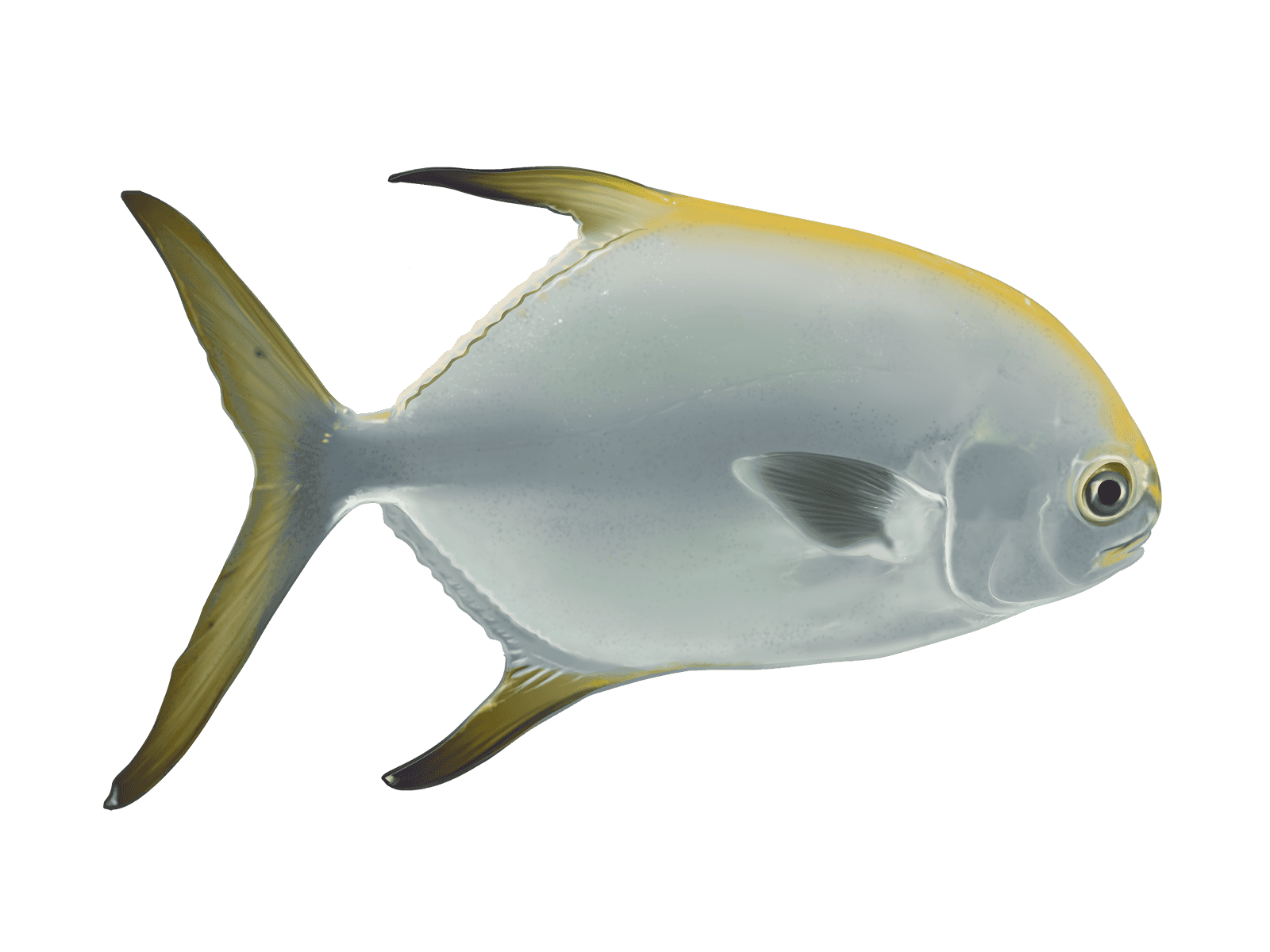
Cobia Permit
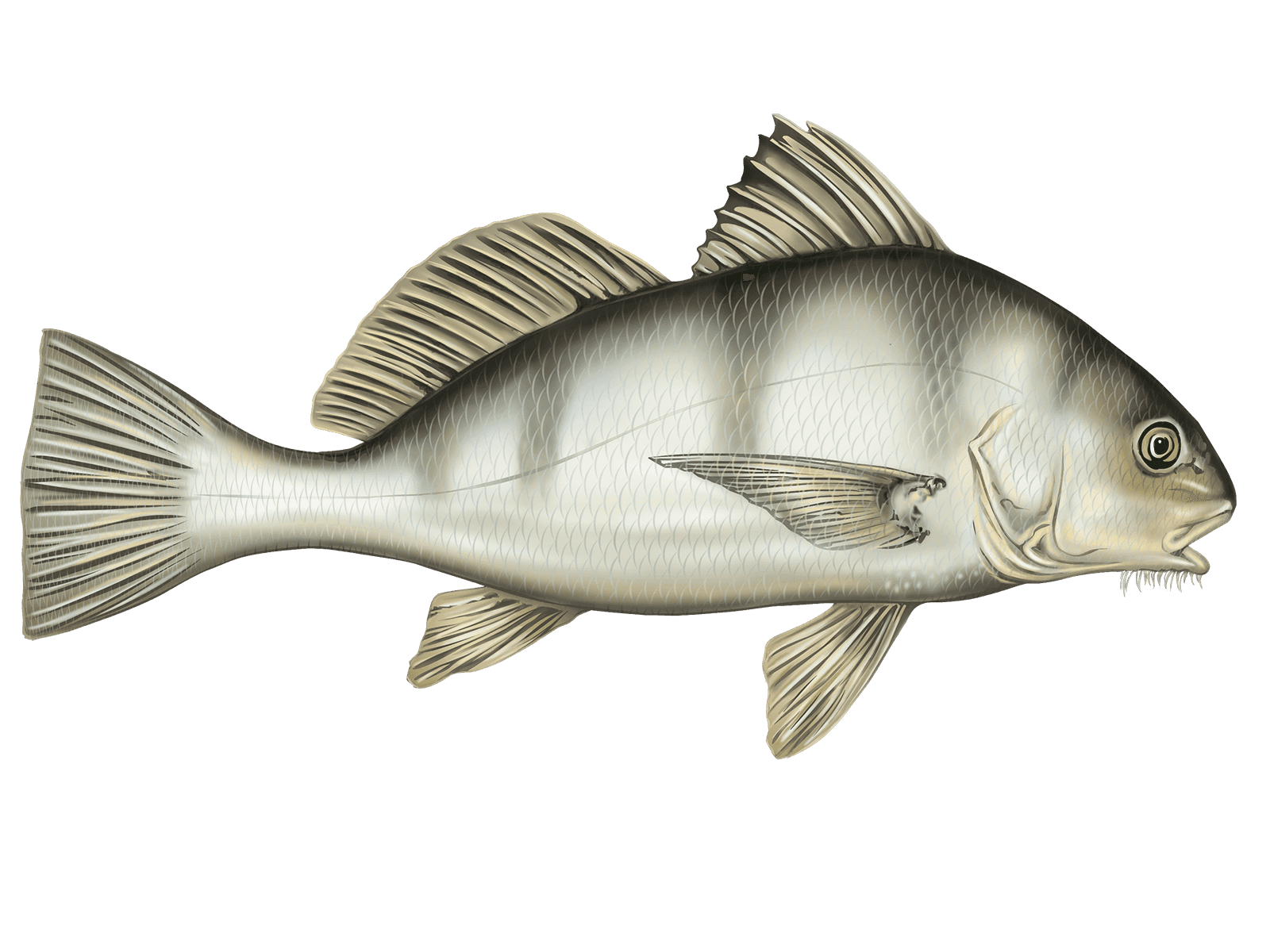
 Black Drum
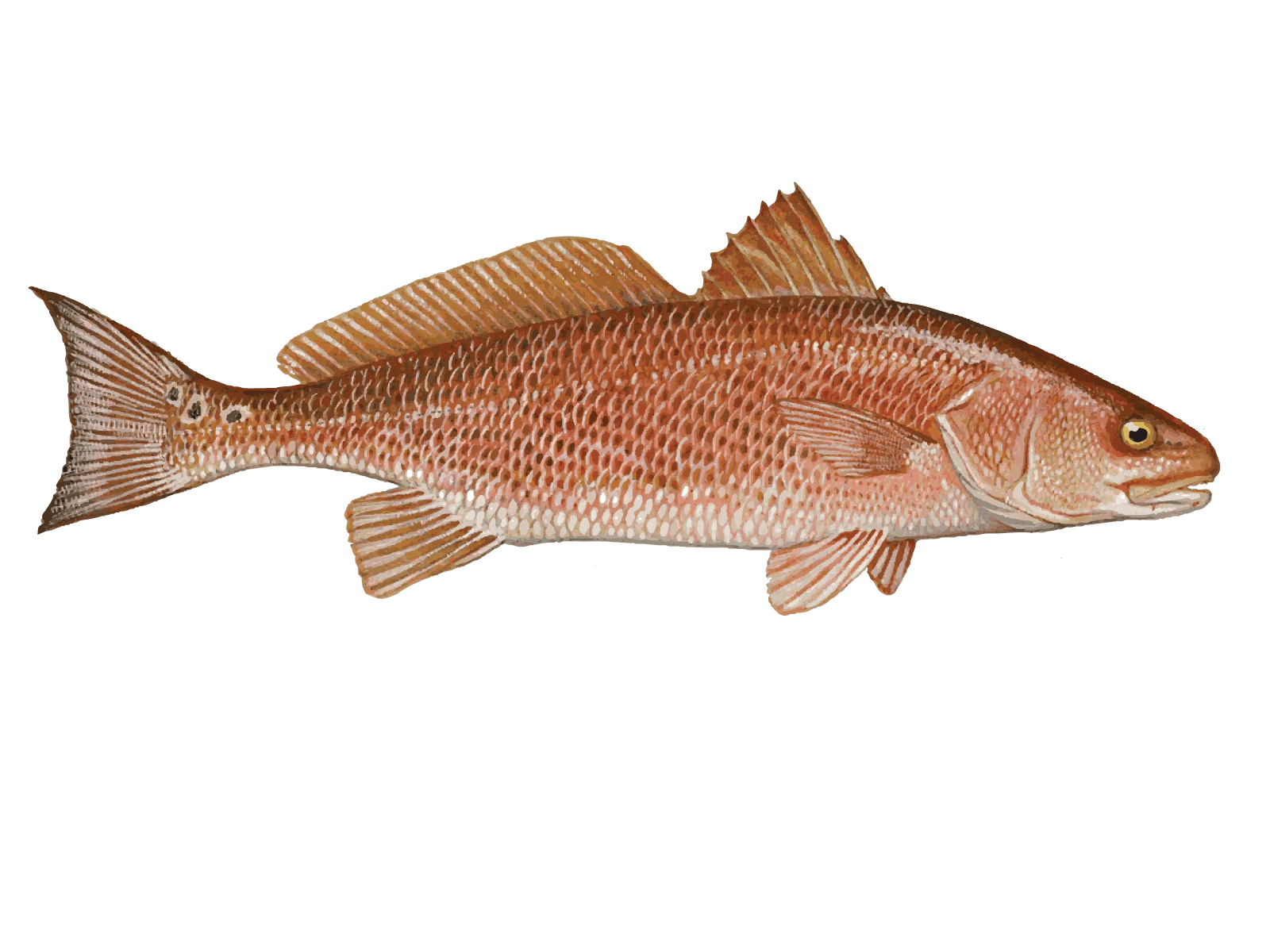
 Redfish
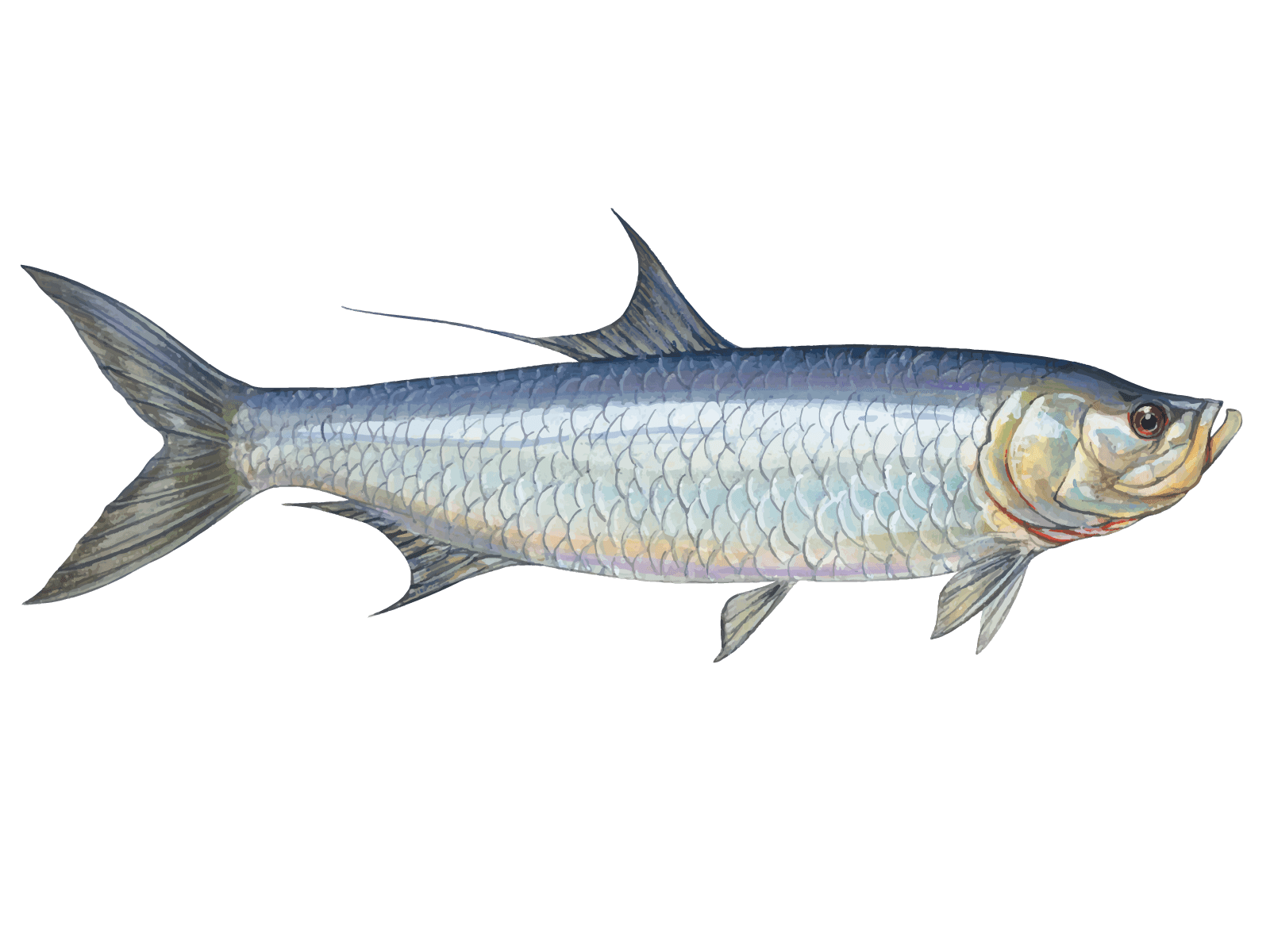
 Tarpon
- This 6-hour private fishing charter takes you deep into Flamingo Everglades National Park's backcountry waters on a shallow-draft 17' Maverick skiff. You'll target snook, redfish, sea trout, and tarpon in quiet mangrove creeks where these fish love to feed. The boat's design lets you access spots bigger vessels can't reach, giving you a real advantage. Your captain knows these waters inside and out and will work with both beginners and seasoned anglers to put you on fish. Everything's included
- gear, licenses, cooler, ice, and water
- so you just show up ready to fish. Perfect for two people looking to experience authentic Everglades fishing away from the crowds.
Trip Pricing and Availabilities:
6hr Flamingo Everglades Fishing Charter
If you've been dreaming of backcountry fishing where the water runs crystal clear and the mangroves stretch for miles, this 6-hour private charter in Flamingo Everglades National Park is exactly what you need. You'll be fishing aboard a 17' Maverick skiff powered by a reliable Yamaha 70hp – the perfect setup for sneaking into those skinny water spots where the big fish love to hang out. With room for up to two guests, this isn't some crowded party boat experience. It's just you, your fishing buddy, and a captain who knows these waters like the back of his hand. Everything's included – tackle, licenses, cooler with ice, and water – so all you need to bring is your sense of adventure and maybe a good hat.
What to Expect on the Water
The Flamingo backcountry is a whole different world from ocean fishing. You're working calm, protected waters where the biggest challenge isn't fighting seasickness, but spotting that perfect redfish tailing in two feet of water. The Maverick skiff is built for this kind of work – it'll float in water so shallow you could practically wade it, getting you into areas where most boats can't even think about going. Your captain will pole you into position when the water gets really skinny, keeping things quiet so you don't spook the fish. The mangrove shorelines create incredible structure, and the grass flats hold everything from sea trout to monster tarpon. Between the protected location and the stable platform, this trip works great for both beginners who've never held a rod and seasoned anglers looking to add some backcountry species to their list. The pace is relaxed, the scenery is world-class, and the fishing can be absolutely lights-out when conditions line up right.
Techniques & Tackle
Backcountry fishing is all about finesse and reading the water. You'll be working with lighter tackle than you might use offshore – think spinning reels loaded with 10-15 pound test and maybe some fluorocarbon leader when the fish get picky. Live bait is king out here, and your captain will have you rigged with pilchards, pinfish, or shrimp depending on what the fish want that day. Artificial lures work great too – soft plastics, spoons, and topwater plugs can absolutely crush when worked around the mangroves or over grass flats. The technique changes based on what you're targeting. For redfish, you might be sight fishing to tailing fish in super shallow water. Snook love to ambush bait around structure, so you'll be pitching baits tight to the mangroves. Tarpon require a whole different approach – when they're rolling in deeper pockets, you'll need to get your bait in front of them without spooking the school. Your captain handles all the rigging and re-rigging, plus he'll coach you through the techniques that work best for each species. The 17' Maverick gives you casting room when you need it and gets shallow enough to follow the fish wherever they want to go.
Species You'll Want to Hook
Black drum are some of the most underrated fighters in the backcountry, and Flamingo holds some real bruisers. These fish love crab and shrimp, and they'll cruise the flats looking for an easy meal. They're not flashy jumpers, but when you hook a 20-pound drum, you'll know it – they use their broad sides and heavy weight to put a serious bend in your rod. Best fishing for drum is usually spring through fall, and they're perfect for beginners because they're not too finicky about presentation. Once you get one to eat, they're pretty well hooked.
Tarpon are the reason many anglers make the trip to the Everglades. These silver kings can show up anywhere from 20 pounds to over 100, and they're famous for their acrobatic fights. When a tarpon eats your bait, everything changes – they'll jump, they'll run, and they'll test every bit of your tackle and technique. The backcountry tarpon fishing peaks in spring and early summer when the fish are moving through on their annual migration. Even a smaller tarpon will give you a fight you'll remember for years, and the bigger ones are truly fish of a lifetime.
Redfish are probably the most consistent target in the Flamingo backcountry, and they're absolute blast to catch. These copper-colored fighters love the grass flats and mangrove edges, and they'll eat everything from live shrimp to artificial lures. Reds are perfect sight fishing targets – you'll actually see them tailing or cruising before you cast, which adds a whole hunting element to the experience. They fight hard, they're beautiful fish, and they're available year-round. A good redfish will make multiple runs and use the shallow water to their advantage.
Permit are the holy grail of flats fishing, and the Everglades backcountry holds some incredible fish. These disc-shaped fighters are notoriously picky eaters, but when you connect with one, it's pure magic. Permit have incredible eyesight and they're easily spooked, so getting one to eat requires perfect presentation and a little luck. They're most active in warmer months and they love crabs above all else. Landing a permit is something many anglers spend years trying to accomplish – they're that special.
Cobia are the wild cards of backcountry fishing. These brown sharks (they're not actually sharks, but they sure look like them) are curious fish that will sometimes follow the boat or even swim right up to check out what you're doing. They're excellent eating, they fight like freight trains, and they can show up when you least expect them. Cobia love structure and they're often found around rays or other fish. When you spot one, you usually get a good shot at them because they're not as spooky as some other species.
Learn more about the animals
Cobia
Cobia are the dark horses of the flats - these brown, shark-looking fish are solitary hunters that show up when you least expect them. They average 20-40 pounds and cruise around structure like channel markers, crab traps, and even rays feeding on the bottom. Spring migration from March through May is peak time, but they're around most of the year. What makes them great targets is they're curious fish that will often approach the boat, plus they're some of the best eating you'll find - firm, white meat that's restaurant quality. They hit bucktail jigs, live bait, and even topwater lures. Pro move: if you see a big ray on the flats, stick around - cobia often follow them looking for stirred-up crabs and shrimp.
Permit
Permit are the holy grail for many anglers - beautiful, challenging, and incredibly spooky. These tall, silvery fish with deeply forked tails average 10-20 pounds and cruise sandy flats and turtle grass beds looking for crabs. They're notorious for their 360-degree rotating eyes that spot everything. Spring through fall is best when they're most active in the shallows, but they're around year-round. What makes them special is the challenge - they're way harder to fool than redfish or snook. When you do hook one, they make blistering runs that'll test your drag. Live blue crabs are the gold standard for bait. Here's the secret: approach them like you're hunting - stay low, make long casts, and be patient.
Black Drum
Black Drum are the heavyweights of the drum family, running anywhere from 5-30 pounds with some bruisers pushing 90. You'll find them crushing oysters and crabs in shallow muddy flats and around oyster beds throughout the park's brackish waters. They love that 2-6 foot range where their powerful jaws can work on shellfish. Spring is prime time when they school up for spawning - that's when you hear their distinctive drumming sounds underwater. These fish put up a solid fight and the smaller ones under 15 pounds make great table fare with firm, flaky meat. Pro tip: use fresh blue crab on a circle hook and keep it right on the bottom - they won't come up for it.
Redfish
Redfish are the bread and butter of Everglades fishing, and for good reason. These copper-colored beauties with their signature black spots average 18-28 inches and love cruising the shallow grass flats and mangrove shorelines in just 1-3 feet of water. You can actually sight-fish them when their backs are showing above the surface. They're active year-round in South Florida but really turn on during cooler months. What guests love is their aggressive strikes and strong runs - plus they're excellent eating with mild, flaky meat. They'll hit everything from topwater plugs to live shrimp. My favorite trick: cast a gold spoon just ahead of a tailing redfish and let it flutter down - the flash drives them crazy.
Tarpon
The silver kings of South Florida, tarpon are pure adrenaline on the end of your line. These prehistoric giants average 80-100 pounds but can hit 200+ pounds and 6+ feet long. They cruise the deeper channels and basins around the park, especially during late spring through summer spawning season. What makes them special? Those legendary jumps - they'll launch 10 feet out of the water trying to throw your hook. Most anglers practice catch and release since the meat is bony and not great eating. The real reward is the fight and those acrobatic displays. Here's the key: when they jump, bow to the fish by dropping your rod tip toward them - it keeps tension off the line and prevents break-offs.
About the Lifeline Charters
%2F%2Fusers%2F598830e2-ca60-4842-b134-174b978e5b14%2Fvehicle_picture%2Fboatimage-mhejxm6z.jpg&w=1920&q=75)
Vehicle Guest Capacity: 2
Manufacturer Name: Yamaha
Maximum Cruising Speed: 70
Number of Engines: 1
Horsepower per Engine: 250